

A good night's sleep is essential for your physical health, mental well-being, and energy levels. Yet many adults struggle with falling asleep, staying asleep, or waking up feeling refreshed. While prescription sleep medications may be appropriate in some situations, many people prefer to begin with evidence-based nutritional support. Rock Ridge Pharmacy Shop offers a dedicated Sleep Support Collection for people exploring nutritional approaches to relaxation and healthy sleep.
Three of the most popular natural sleep supplements are melatonin, magnesium, and glycine. Although they are often grouped together as sleep aids, they work in different ways. The National Center for Complementary and Integrative Health's review of complementary sleep approaches explains why evidence can differ substantially between supplements and sleep concerns.
Here is how they compare and how to choose the option that may be best suited to your specific sleep concerns. Before starting any supplement, you may also want to read Before You Supplement: 7 Things to Consider for Safe, Effective Wellness and explore Rock Ridge Pharmacy Shop's broader Wellness Supplements.
Understanding Why You're Not Sleeping
Before choosing a supplement, it helps to identify what may be keeping you awake. The CDC notes that poor sleep quality can include trouble falling asleep, repeated nighttime awakenings, and feeling tired even after enough time in bed. If repeated waking is your main concern, see our guide to How to Get Back to Sleep Naturally.
Common sleep challenges include:
- Difficulty falling asleep
- Waking frequently during the night
- Stress or anxiety before bedtime
- Muscle tension or restless legs
- Jet lag or shift work
- Poor sleep quality despite spending enough time in bed
The right supplement depends on the underlying cause rather than simply treating insomnia as a single condition. The NCCIH overview of sleep disorders and complementary approaches emphasizes that evidence varies depending on the specific sleep problem. You can also compare available formulas in the Rock Ridge Pharmacy Shop Sleep Aid collection.
Melatonin: Best for Resetting Your Body Clock
Melatonin is a hormone naturally produced by the pineal gland in response to darkness. Rather than acting like a traditional sedative, melatonin signals to your brain that it is time to prepare for sleep. The NCCIH review of melatonin and sleep discusses research involving sleep onset, jet lag, shift work, and other sleep-related uses.
It may be most helpful when your body's natural clock, also known as the circadian rhythm, has become disrupted. According to NCCIH, melatonin may be helpful for jet lag and some sleep problems associated with shift work, although it should not be considered a universal treatment for chronic insomnia.
Melatonin may be helpful for:
- Jet lag
- Shift work
- Difficulty falling asleep
- Delayed sleep schedules
- Occasional sleeplessness
Melatonin is commonly taken before bedtime. Lower-dose products may be appropriate for people who want gentle circadian rhythm support while reducing the possibility of next-day grogginess. The NCCIH safety overview notes that melatonin appears relatively safe for short-term use, while long-term safety remains less established. For additional sleep options, browse the Sleep Support Collection.
Featured Product
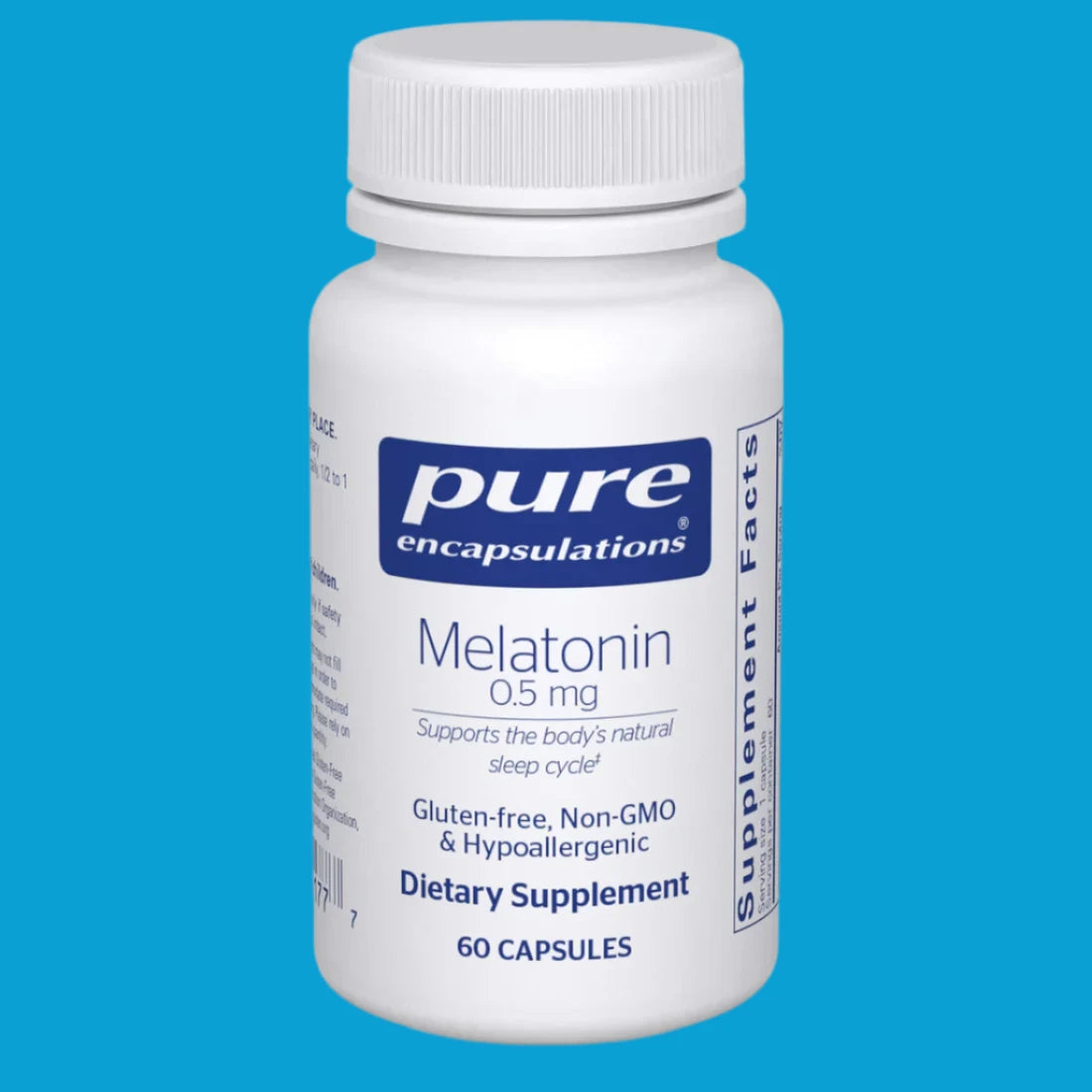
Pure Encapsulations Melatonin 0.5 mg
This low-dose melatonin formula supports healthy sleep-wake cycles and may be suitable for adults looking for occasional sleep support. It is made with carefully selected ingredients and provides a gentle alternative to higher-dose melatonin products. When comparing formulas, our guide to How to Read Supplement Labels can help you evaluate serving sizes and ingredient amounts.
Shop Pure Encapsulations Melatonin 0.5 mg
Magnesium: Best for Relaxation and Stress Support
Magnesium is an essential mineral involved in hundreds of processes throughout the body. It plays an important role in nervous system regulation, muscle function, relaxation, and normal neurotransmitter activity. A systematic review of magnesium and sleep health examined observational and intervention research involving magnesium status, supplementation, and sleep patterns.
For people whose minds race at bedtime or who feel physically tense, magnesium may help create better conditions for relaxation rather than directly causing sleep. People interested in nutritional support for stress can also explore Rock Ridge Pharmacy Shop's Stress & Adrenal Support collection or read Ashwagandha vs. Rhodiola.
Among the different forms, magnesium glycinate is commonly chosen because it is generally well absorbed and may be gentler on the digestive system than some other magnesium forms. To understand how magnesium formulations differ, see Magnesium L-Threonate vs. Magnesium Citrate and our guide to choosing high-quality vitamins and supplements.
Magnesium may be helpful for:
- Stress-related sleep difficulties
- Muscle tightness or tension
- Restless evenings
- Difficulty winding down before bed
- Low magnesium intake or deficiency
The research should still be interpreted cautiously. The systematic review published in Biological Trace Element Research found associations between magnesium status and sleep quality in observational studies, while randomized clinical trials produced less consistent findings.
Featured Magnesium Products
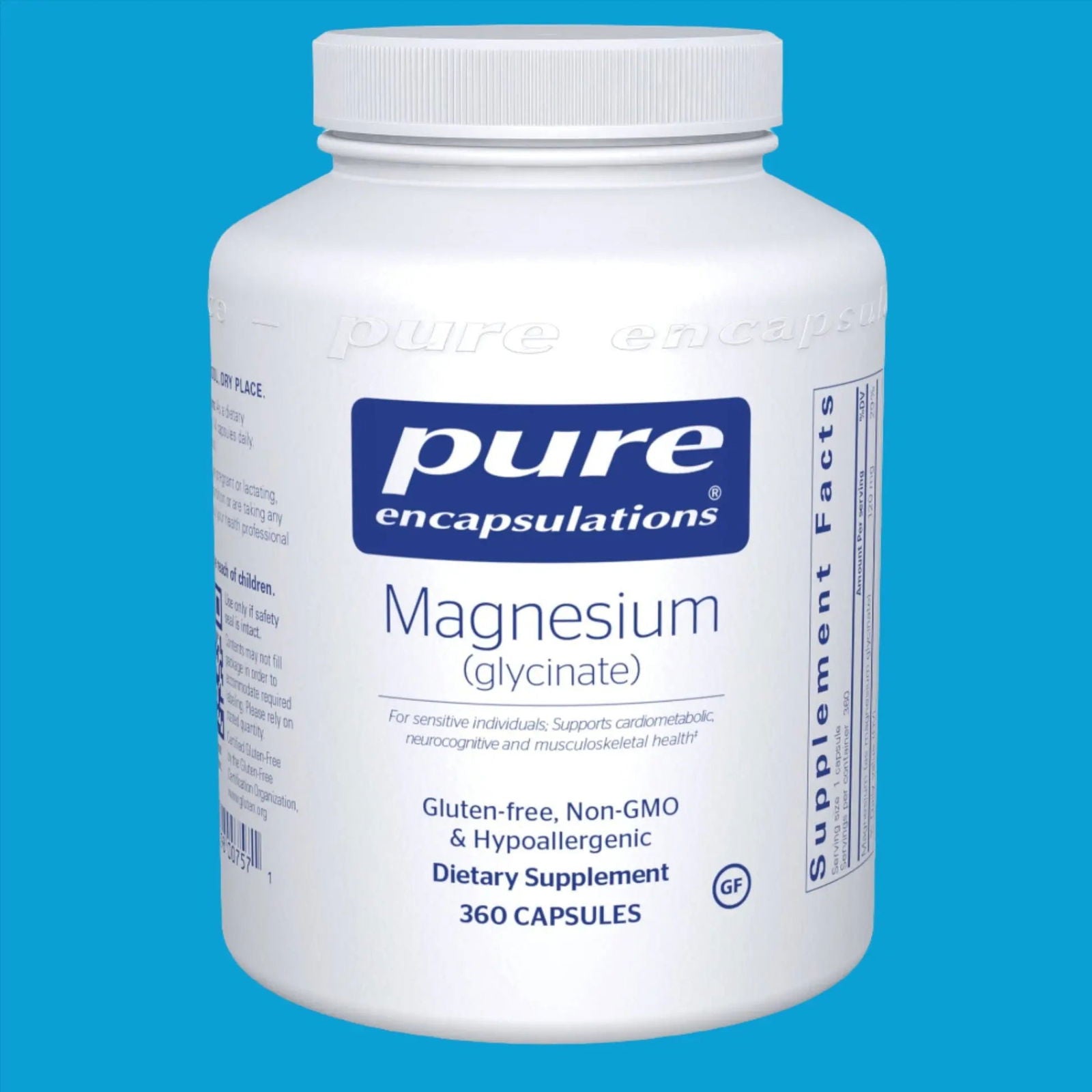
Rock Ridge Pharmacy Shop carries several magnesium options from trusted professional supplement brands. You can also browse the broader Vitamins & Minerals collection for additional mineral and nutritional support.
- Pure Encapsulations Magnesium Glycinate
- Ortho Molecular Reacted Magnesium
- Magnesium Glycinate Liquid
Glycine: Best for Supporting Restorative Sleep
Glycine is an amino acid that supports several important functions throughout the body, including collagen production, nervous system activity, and normal metabolic processes. A PubMed-indexed review of glycine and sleep discusses glycine's role in neurotransmission and research into its potential effects on sleep quality.
Glycine may support sleep by helping the body prepare for rest and by supporting the natural drop in core body temperature that occurs before sleep. The published research on glycine and sleep quality discusses human studies involving bedtime glycine and its potential physiological effects.
Glycine may help support:
- Restorative sleep
- Healthy sleep quality
- Relaxation before bedtime
- Next-day alertness after a full night's sleep
- A healthy nighttime body-temperature rhythm
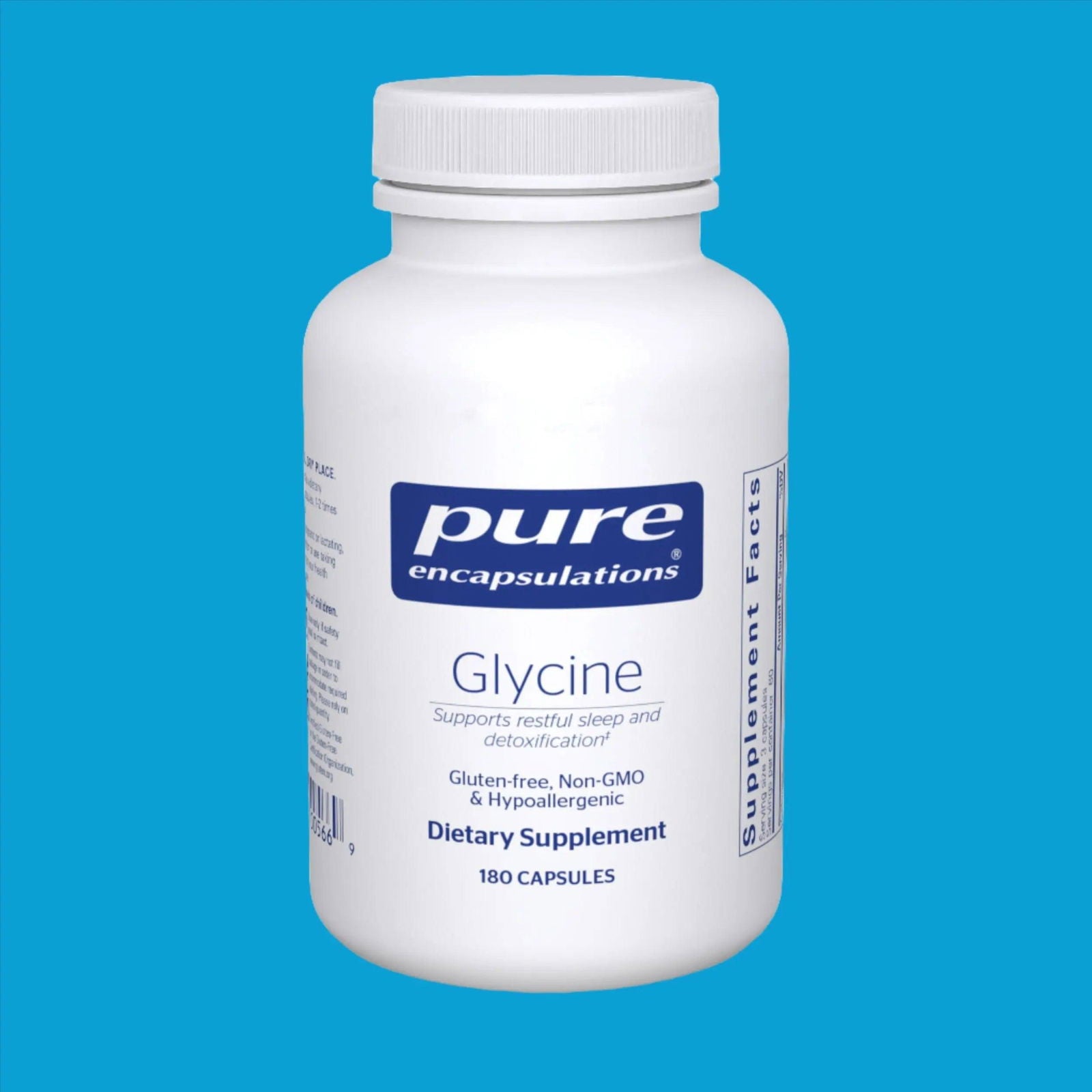
Unlike melatonin, glycine does not primarily reset the body's internal clock. Instead, it may support the quality of sleep and the body's natural transition into rest. Because research is still comparatively limited, you may also want to compare glycine with other approaches in our article Waking Up at Night? How to Get Back to Sleep Naturally.
It is important to note that magnesium glycinate contains magnesium bound to glycine. However, this does not necessarily provide the same amount of glycine as a dedicated glycine supplement. Check serving amounts carefully using the principles in How to Read Supplement Labels.
Melatonin vs. Magnesium vs. Glycine: Quick Comparison
| Supplement | May Be Best For | How It Supports Sleep |
|---|---|---|
| Melatonin | Falling asleep, jet lag, shift work, and disrupted sleep schedules | Supports the body's circadian rhythm and sleep-wake cycle |
| Magnesium Glycinate | Stress, muscle tension, restlessness, and difficulty relaxing | Supports normal nervous system and muscle function |
| Glycine | Sleep quality, restorative rest, and nighttime relaxation | Supports the body's natural transition into sleep |
Because these supplements work differently, choosing one should be based on the type of sleep difficulty you are trying to address rather than assuming that one is universally stronger. The NCCIH evidence overview is useful for understanding the limits of research on complementary sleep approaches, while the Rock Ridge Pharmacy Shop Sleep Support Collection provides additional formulation options.
Can You Take Melatonin, Magnesium, and Glycine Together?
In some cases, healthcare professionals may recommend combining sleep-support supplements because melatonin, magnesium, and glycine work through different pathways. Before combining products, review the ingredient panels carefully using our Supplement Label Guide.
For example, melatonin may support the timing of sleep, while magnesium may support relaxation and glycine may support restorative sleep quality. Rock Ridge Pharmacy Shop's Sleep Aid collection includes both single-ingredient and combination approaches.
However, taking several sleep supplements together is not appropriate for everyone. Combining multiple products may increase the likelihood of excessive drowsiness, vivid dreams, digestive discomfort, or unwanted interactions. The FDA warns that dietary supplements can interact with medications, including by changing how some medicines are absorbed, metabolized, or eliminated.
Speak with your pharmacist or healthcare provider before combining supplements, especially if you:
- Take prescription or over-the-counter medications
- Are pregnant or nursing
- Have kidney disease
- Have a chronic medical condition
- Are preparing for surgery
- Already use prescription sleep medication
For a broader supplement-safety checklist, read Before You Supplement: 7 Things to Consider for Safe, Effective Wellness. You can also visit Rock Ridge Pharmacy for pharmacy information and professional guidance.
Healthy Sleep Habits Still Matter
No supplement can replace healthy sleep habits. Supplements tend to work best when they are combined with a consistent bedtime routine and an environment that supports restful sleep. The CDC's healthy sleep guidance emphasizes consistent bedtimes, a quiet and cool bedroom, limiting electronics, and avoiding caffeine later in the day.
For better sleep naturally:
- Maintain a consistent bedtime and wake-up time.
- Limit exposure to phones, tablets, and bright screens before bed.
- Avoid large meals close to bedtime.
- Reduce caffeine intake during the afternoon and evening.
- Keep your bedroom cool, quiet, and dark.
- Exercise regularly, but avoid intense exercise immediately before bed.
- Create a relaxing nighttime routine.
The CDC recommends many of these same sleep habits, including consistent sleep schedules, reducing evening caffeine, keeping the bedroom cool and quiet, and turning off electronic devices before bedtime.
Sleep supplements should support good sleep hygiene, not replace it. If nighttime stress is part of the problem, you may also want to explore the Stress & Adrenal Support Collection or read Beat the Burnout: Supplements That Lower Cortisol.
Shop Pharmacist-Selected Sleep Support
At Rock Ridge Pharmacy Shop, we offer carefully selected supplements from trusted brands known for professional-quality formulas and thoughtful ingredient standards. For more guidance before purchasing, read How to Choose High-Quality Vitamins and Supplements and How to Verify Supplement Purity Before You Buy.
Popular sleep-support options include:
- Pure Encapsulations Melatonin 0.5 mg
- Pure Encapsulations Magnesium Glycinate
- Ortho Molecular Reacted Magnesium
- Magnesium Glycinate Liquid
- Glycine supplements
- Additional sleep-support formulas
Browse our complete Sleep Support Collection to explore pharmacist-selected supplements that may support relaxation, healthy sleep cycles, and restorative rest. You can also browse the broader Wellness Supplements collection.
Related Reading from Rock Ridge Pharmacy
- Waking Up at Night? Why It Happens—and How to Get Back to Sleep Naturally
- Do Sleep Gummies Work? Here's What You Need to Know Before Chewing
- Magnesium L-Threonate vs. Magnesium Citrate: What's the Real Difference?
- How to Read Supplement Labels — Decode Ingredients, Dosages, and Claims Like a Pro
- Before You Supplement — 7 Things to Consider for Safe, Effective Wellness
- How to Verify Supplement Purity Before You Buy
References & Further Reading
- Sleep Disorders and Complementary Health Approaches: Usefulness and Safety — National Center for Complementary and Integrative Health (NCCIH)
- About Sleep: Healthy Sleep Habits, Sleep Quality, and Sleep Disorders — Centers for Disease Control and Prevention (CDC)
- The Role of Magnesium in Sleep Health: A Systematic Review of Available Literature — PubMed
- New Therapeutic Strategy for Amino Acid Medicine: Glycine Improves the Quality of Sleep — PubMed
- Mixing Medications and Dietary Supplements Can Endanger Your Health — U.S. Food and Drug Administration
Final Thoughts
Choosing between melatonin, magnesium, and glycine is not about finding the strongest sleep aid. It is about matching the supplement to your specific sleep challenge. For a broader comparison of available options, browse the Rock Ridge Pharmacy Shop Sleep Support Collection.
- If your sleep schedule is disrupted or you struggle to fall asleep, melatonin may be worth discussing with your healthcare provider.
- If stress, muscle tension, or difficulty relaxing keeps you awake, magnesium glycinate may provide helpful nutritional support.
- If you want to support restorative sleep quality, glycine may be an option to consider.
Individual responses to sleep supplements can vary. Start with one product at a time and follow the recommended serving instructions unless your healthcare provider advises otherwise. Before purchasing, review How to Verify Supplement Purity Before You Buy and How to Read Supplement Labels.
If sleep problems continue for several weeks or are accompanied by loud snoring, gasping, breathing interruptions, morning headaches, or excessive daytime sleepiness, consult your healthcare provider. These symptoms may be signs of an underlying sleep disorder that requires further evaluation. The CDC recommends speaking with a healthcare provider when sleep problems occur regularly, and our article How to Get Back to Sleep Naturally discusses additional causes of repeated nighttime waking.
For pharmacy information and professional support, visit Rock Ridge Pharmacy, or explore Rock Ridge Pharmacy Shop for professional-quality supplement options.
This article is for educational purposes only and is not intended to diagnose, treat, cure, or prevent any disease. Always consult your pharmacist or healthcare provider before starting a new supplement. For additional supplement-safety information, review the FDA guidance on medications and dietary supplements.


